
Fashion, often perceived as the world’s most visible art form, transcends mere clothing to become a vibrant language through which individuals and societies articulate identity, values, and creativity. It is an ever-changing reflection of cultural currents, technological advancements, and personal narratives. Far from superficial trends dictated by fleeting tastes, fashion embodies a rich tapestry of history, psychology, and innovation that shapes how we present ourselves to the world and how we understand others in return.
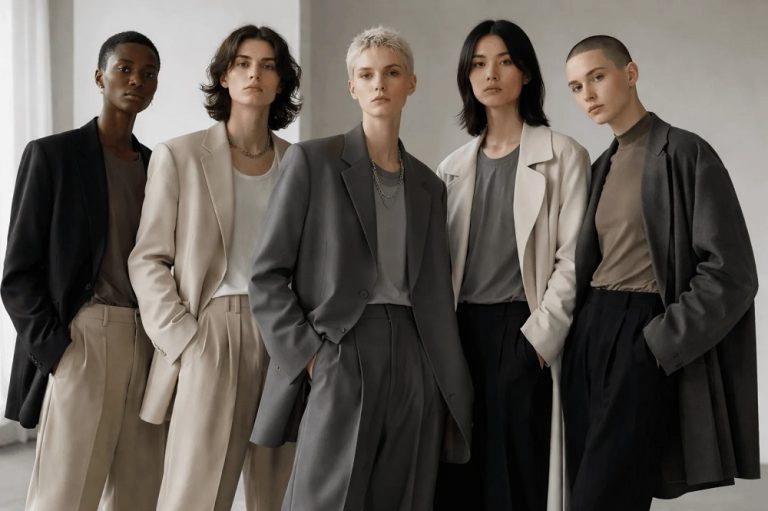
At its essence, fashion is an expression of individuality. From the choice of fabric and cut to the subtle play of colors and accessories, each element contributes to a story unique to the wearer. The garments we select daily do more than cover our bodies; they communicate our moods, social affiliations, and aspirations. This silent dialogue is potent—allowing people to assert confidence, challenge norms, or celebrate heritage. Whether it’s the bold statement of avant-garde design or the quiet elegance of timeless tailoring, fashion empowers individuals to craft their visual identity with nuance and intention.
Yet, fashion is not only a personal endeavor; it is deeply embedded in the cultural fabric of societies. Across different eras and geographies, clothing styles have been intertwined with social hierarchies, religious beliefs, and historical moments. Consider how the intricate patterns of traditional Japanese kimonos convey centuries of craftsmanship and cultural symbolism, or how the flamboyant silhouettes of the Baroque period reflected the opulence and power of European aristocracy. Fashion thus acts as a mirror to collective values and shifts, chronicling humanity’s evolving relationship with itself and the environment.
In the contemporary era, fashion is both a global phenomenon and a battleground of cultural exchange. The rise of globalization has facilitated an unprecedented fusion of styles, where streetwear from New York intersects with haute couture from Paris, and African prints inspire designers in Milan. This cross-pollination enriches the fashion landscape but also raises important conversations about cultural appropriation versus appreciation. Navigating these dynamics requires sensitivity and respect, acknowledging the origins and significance of styles while fostering inclusive creativity.
Technological advancements have likewise revolutionized the fashion industry, reshaping production, consumption, and design processes. Innovations in textile engineering, such as sustainable fabrics derived from recycled materials or bioengineered fibers, are addressing the urgent need for environmental responsibility within a notoriously resource-intensive industry. Meanwhile, digital technologies—ranging from virtual fitting rooms to AI-driven trend forecasting—enhance personalization and accessibility, allowing consumers to engage with fashion in increasingly sophisticated ways. This intersection of art and science heralds a new chapter where aesthetic vision meets ethical innovation.
However, the fashion world also grapples with inherent contradictions, particularly regarding sustainability and ethical labor practices. The fast fashion model, characterized by rapid production of inexpensive clothing, has democratized access but often at the cost of environmental degradation and exploitative working conditions. This tension invites a critical reassessment of consumer habits and industry standards, inspiring movements toward slow fashion, transparency, and circular economy principles. A growing cohort of designers, brands, and consumers are championing quality over quantity, longevity over disposability, and accountability over anonymity.
Fashion’s impact extends beyond economics and ecology; it plays a pivotal role in shaping social movements and challenging cultural paradigms. Throughout history, clothing has been wielded as a form of protest and empowerment—from the suffragettes’ adoption of white dresses symbolizing purity and political resolve to the rebellious spirit of punk fashion in the 1970s. Today, fashion continues to amplify voices advocating for gender fluidity, racial justice, and body positivity, breaking down rigid conventions and expanding the spectrum of beauty and identity. In this way, fashion becomes a dynamic platform for dialogue and transformation.
The artistry involved in fashion design is itself a testament to human creativity. Designers blend vision with craftsmanship, drawing inspiration from art, nature, history, and everyday life to conceive garments that are simultaneously functional and expressive. The runway becomes a stage not only for showcasing clothes but for narrating stories and evoking emotions. Each collection is a curated experience, inviting audiences to reflect on aesthetics and meaning. Behind the scenes, skilled artisans and technicians bring these visions to life, highlighting the collaborative spirit essential to this intricate craft.
Moreover, fashion’s intimate connection with psychology enriches its complexity. The concept of “enclothed cognition” reveals how the clothes we wear can influence our mindset and behavior, affecting confidence, creativity, and social interaction. This interplay underscores the profound impact of fashion on personal well-being and social dynamics, making it an integral aspect of human experience rather than a superficial concern.
In conclusion, fashion is a multifaceted phenomenon—an art, a cultural archive, a social force, and a business—woven into the very essence of human life. It celebrates diversity and innovation while posing critical questions about ethics and sustainability. As we move forward, embracing fashion’s power with mindful awareness can transform it from a mere pastime into a meaningful expression of identity, culture, and responsibility. Through thoughtful choices and creative exploration, fashion remains a vibrant, evolving narrative that connects us to ourselves and to each other in profound and beautiful ways.
About the Author