

Key Takeaways
Penile torsion manifests when the penis rotates 90 degrees or more. This condition often stems from congenital issues, traumatic injuries, or infections, and it demands prompt medical evaluation to avert complications.
Symptoms associated with penile torsion encompass noticeable curvature, discomfort during erections, and swelling. Thus, identifying the condition early is key for effective management and treatment.
Surgical treatment for penile torsion usually entails penile de-torsion and fixation. Early intervention tends to yield the most favorable long-term outcomes.
Non-surgical alternatives, like therapeutic devices or manual repositioning, can be beneficial for less severe cases. Nevertheless, consistent monitoring and professional consultations are crucial to track any developments.
Post-surgery recovery typically includes initial discomfort and swelling, with the majority of patients returning to routine activities within 4 to 6 weeks. However, individual healing durations can differ significantly.
Effective pain management, along with proactive measures for complications, plays a crucial role in ensuring a smooth recovery after treatment for penile torsion. Guidelines highlight the importance of hygiene practices and follow-up appointments.
Choosing a skilled specialist for penile torsion treatment is paramount. Patients should take an active role in discussions regarding surgical techniques, anticipated outcomes, and the recovery process to achieve informed care.
Understanding Penile Torsion: Causes and Symptoms
What Triggers Penile Torsion in Patients?
Penile torsion is a condition frequently overlooked, as many adults may not realize how prevalent it can be, particularly during specific developmental stages. This issue arises when the penis rotates 90 degrees or more, and failure to address it can lead to complications. While there are no universally accepted explanations for this phenomenon, experts have pinpointed significant contributing factors. Congenital anomalies, inclusive of developmental irregularities in the penis, often play a role. Genetic factors may also be at work, though research is ongoing.
Traumatic injuries are another potential trigger. Significant twisting or force applied to the penis, whether from sports or accidents, can lead to torsion. In pediatric cases, developmental anomalies might result in varying degrees of torsion and can reveal themselves quickly after birth, prompting vigilant observation by parents. Infections and inflammation may also trigger torsion, especially when left untreated. Awareness of these elements is instrumental in managing and treating the condition effectively.
Understanding the root cause of penile torsion is essential for effective treatment.
Key Signs: How to Identify the Condition Early
Early recognition of symptoms can significantly influence treatment outcomes. Many patients report experiencing curvature, pain during erections, and swelling—red flags that should not be ignored. Parents might notice irregularities in their child’s erections, prompting a physician to consider a diagnosis of torsion. Thus, a thorough physical examination becomes vital for identification. Early diagnosis enhances the likelihood of successful intervention.
However, symptoms can vary greatly. In certain instances, mild torsion may not present any clear signs, underscoring the need for practitioners to maintain a discerning perspective. Physical examinations complemented by imaging techniques like ultrasounds can offer additional diagnostic clarity. It’s essential to consult a healthcare professional whenever suspicious symptoms arise. Early identification remains pivotal in preventing long-term issues.
- Pain during erection
- Visible curvature of the penis
- Swelling around the shaft
- Diminished blood flow in severe cases
Innovative Treatment Options for Penile Torsion
Expert Surgical Techniques: What You Need to Know
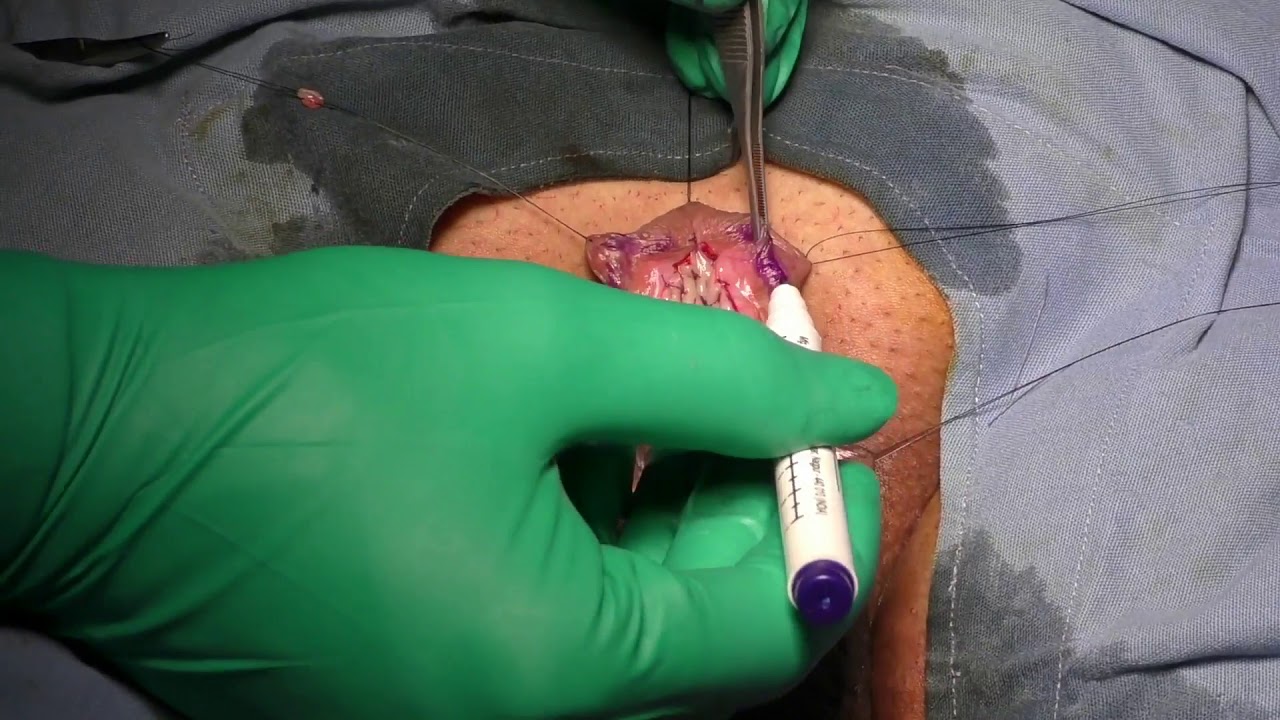
Precision is paramount in surgical interventions for penile torsion. Surgeons routinely perform a procedure known as penile de-torsion, followed by surgical fixation to maintain proper position after surgery. This corrective measure is generally pursued when the torsion causes significant pain or functional problems. Research indicates that timely surgical intervention tends to yield the most beneficial long-term results.
Expert surgeons often employ diverse techniques based on individual patient factors and the degree of torsion. The chosen surgical approach might also involve assessing any underlying anatomical concerns or adjacent structures. Techniques for penile fixation, such as “Balanitis Circumcision Repair” or “Dorsal support,” have received widespread support among professionals. Nevertheless, a comprehensive pre-surgical assessment ensures that the selected method aligns with the patient’s unique needs.
Surgical treatments often provide swift resolution and correction of penile torsion when performed by experienced professionals.
Non-Surgical Interventions: Are They Effective?
Many professionals advocate for non-surgical interventions as an initial approach, particularly for mild cases. Utilizing therapeutic devices or splints can assist in managing minor torsional deformities. Some practitioners might recommend manipulation techniques that can successfully reposition the penis without resorting to surgery. However, outcomes can significantly differ based on the severity of the condition and the patient’s overall health.
This strategy, while appealingly less invasive, comes with its own set of nuances. Regular consultations with a specialist are critical for monitoring progress. If non-surgical methods fail to provide results or if the condition deteriorates, conversations should pivot toward surgical options. Each case is distinct, and establishing a collaborative path forward is imperative.
- Therapeutic devices for mild cases
- Manual manipulation to re-position
- Monitoring and regular assessments
The Recovery Journey: What Patients Can Expect
Timeline of Healing: Key Milestones Post-Treatment
The recovery journey following treatment for penile torsion can vary greatly among patients. Immediately after surgery, some individuals may experience discomfort, swelling, or bruising; it’s common for these symptoms to diminish within a few days. A typical healing timeline suggests that initial recovery usually spans two weeks, with many patients able to resume regular activities around the 4 to 6-week mark. However, every body responds differently.
Maintaining communication with healthcare professionals during follow-ups can provide reassurance. They evaluate healing progress and can address any complications that may arise. Close monitoring plays a critical role in ensuring rehabilitation remains on track. Post-operative instructions typically stress the importance of avoiding strenuous sexual activity during the early recovery phase. By six weeks, numerous patients report a return to their normal routines with renewed confidence.
- Initial discomfort and swelling (1-3 days)
- Regular check-ups (weeks 1-2)
- Resuming physical activities (weeks 4-6)
Managing Pain and Complications: Best Practices
Effective pain management during recovery is essential. After treatment for penile torsion, healthcare providers generally offer pain relief strategies tailored to patient needs. Applying ice packs can help reduce swelling within the first few days following surgery. If complications arise, responding promptly is crucial. Reports suggest that some individuals could experience issues like infections or abnormal healing. Seeking immediate medical assistance at the first sign of trouble can help mitigate risks.
Experts advise adhering to post-treatment protocols, which include maintaining good hygiene, attending follow-up appointments, and recognizing warning signs. Clear communication with healthcare providers fosters a smoother recovery experience.
Early intervention in managing pain or complications can significantly improve recovery outcomes.
Choosing the Right Specialist: Why Experience Matters
Questions to Ask During Your Consultation
Choosing a qualified specialist is of utmost importance. The surgeon’s experience and skill levels can directly influence both treatment outcomes and the recovery process. When assessing potential consultants, clients should come prepared with questions. Inquire about their surgical background with penile torsion and their preferred techniques. Gaining insight into their approach can help determine compatibility.
Also, understanding anticipated outcomes and potential complications contributes to establishing a comprehensive care plan. A pivotal question to consider is, “What is the usual recovery process for your patients?” Such queries allow individuals to manage their expectations accurately. Investigating previous patient testimonials can also provide valuable insights into the specialist’s practice.
- Experience with similar cases
- Preferred surgical techniques
- Recovery expectations for patients
Red Flags: When to Seek a Second Opinion
Having confidence in a specialist is crucial, yet trusting one’s instincts holds equal weight. If doubts surface, seeking a second opinion could be beneficial. Any symptoms that worsen post-consultation should trigger immediate follow-ups or new evaluations. Should a practitioner dismiss concerns or fail to clarify options effectively, it may be time to consult another expert.
Any discomfort regarding a treatment plan is valid. Patients should feel empowered to explore alternatives. Taking charge of one’s health nurtures a tailored treatment journey, promoting patient-centric care and focused outcomes.
- Doubts about the treatment plan
- Inability to clearly communicate options
- Exacerbation of symptoms or persistent pain
FAQ
What factors influence the choice between surgical and non-surgical treatments?
The decision to choose surgical versus non-surgical treatments hinges on the severity of penile torsion. Factors such as symptom intensity, patient age, and any underlying health conditions play a significant role. Experts stress the importance of collaboratively evaluating each case to ensure the selected method aligns with the patient’s specific needs and lifestyle.
How do different surgical techniques vary in effectiveness?
The effectiveness of surgical techniques can differ based on individual circumstances and the severity of torsion. Some methods, like the “Balanitis Circumcision Repair,” are regarded as more effective for particular anatomical concerns. Surgeons consider these variables during pre-surgical evaluations to tailor the intervention.
Are there lifestyle changes that can help prevent penile torsion?
Although not all cases of penile torsion are preventable, specific lifestyle modifications may reduce risks. Maintaining proper hygiene, avoiding trauma during physical activities, and being aware of any anatomical issues can contribute to prevention. Regular medical check-ups also assist in identifying potential concerns early on.
What should patients do if they notice recurrent torsion after treatment?
If torsion symptoms re-emerge post-treatment, patients should consult their healthcare provider promptly. Recurrences can occur, and specialists will reevaluate the condition to determine if further interventions are warranted. Timely communication is essential for preventing long-term complications.
How can patients ensure the best possible outcomes after treatment?
To maximize treatment outcomes, patients should adhere to post-operative instructions and attend follow-up appointments regularly. Staying engaged with healthcare providers facilitates monitoring progress and rapid addressing of any concerns. Clear communication regarding pain management and activity restrictions is also critical for a successful recovery.
What is the role of physical therapy in recovery?
Physical therapy can be beneficial during recovery, particularly when recommended by a healthcare provider. It may aid in restoring function and mobility after surgery and help strengthen surrounding muscles. Recovery is unique to each patient, meaning therapies will vary according to individual needs and post-operative progress.
Is penile torsion more common in certain age groups?
This condition can arise at any age, but it appears to be more prevalent during developmental periods, especially in infants and young males. Additionally, injuries or trauma may lead to torsion in older patients. Recognizing these patterns aids in early identification and timely intervention.
What follow-up care is typically recommended after surgical treatment?
Post-surgical care for penile torsion usually involves routine check-ups to monitor healing and manage pain. Healthcare providers often recommend vigilance concerning signs of complications, such as infections or abnormal healing processes. Patients are encouraged to express any concerns to ensure a smooth recovery journey.
Useful Resources
- National Center for Biotechnology Information (NCBI)
- Mayo Clinic
- Healthline
- Urology Care Foundation
- PubMed
- American Hospital Association (AHA)
- Society of Urologic Nurses and Associates (SUNA)
- UroToday
- Medicare
About the Author