

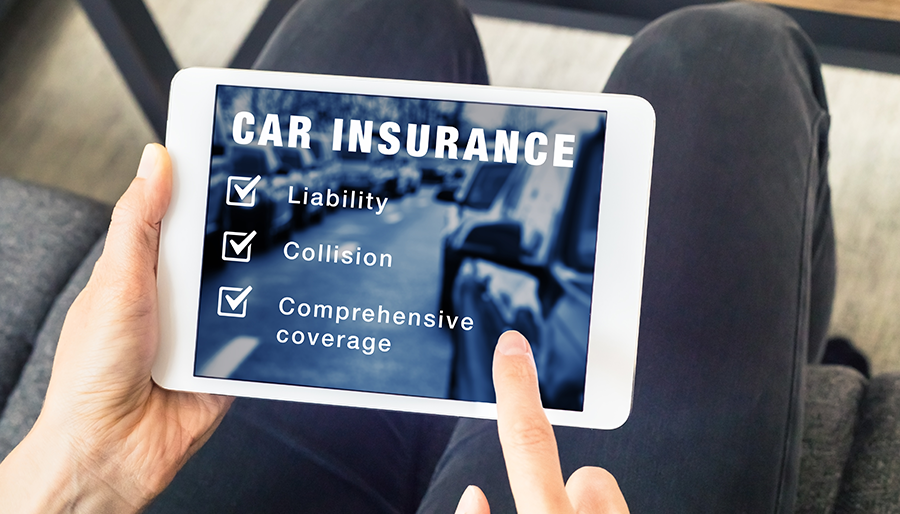
Purchasing a vehicle is a major milestone that offers an unparalleled sense of personal freedom and mobility. However, vehicle ownership also brings a substantial amount of financial and legal responsibility. The moment you drive a vehicle off a dealership lot or out of a private seller driveway, you expose yourself to a variety of real world risks. Road accidents, severe weather events, vandalism, and vehicle theft can happen unexpectedly, resulting in thousands of dollars in sudden liabilities.
To protect drivers from catastrophic financial losses, state governments and financial lending institutions mandate the maintenance of car insurance. For a beginner, browsing through insurance options can feel incredibly overwhelming. The industry is filled with dense jargon, complex pricing models, and a dizzying array of coverage choices. Understanding the absolute basics of how car insurance functions is essential to ensure you purchase the right amount of protection without overpaying for coverage you do not actually need.
The Core Concept of Risk Transfer
At its fundamental level, an insurance policy is a legally binding contract between a vehicle owner and an insurance provider. In exchange for a regular financial payment, known as a premium, the insurance company agrees to shoulder the financial burden of specific damages or liabilities that occur during the policy term.
By purchasing a policy, you are effectively transferring your personal financial risk to a multi billion dollar corporation that possesses the liquidity to absorb substantial financial shocks. If you choose to drive without insurance, you are personally liable for every dollar of property damage and medical care resulting from an incident. For most working class individuals, a single major at fault accident without insurance can lead to permanent financial ruin, asset liquidation, or wage garnishment.
Deconstructing the Primary Coverage Types
Car insurance is not a single, monolithic product. Instead, a standard policy is constructed like a menu, allowing drivers to stitch together multiple distinct types of coverage to match their unique financial situations and risk tolerances.
Liability Coverage
This is the absolute foundation of car insurance and is legally required in almost every state. Liability coverage does not pay for your personal medical bills or your own vehicle repairs. Instead, it pays for the damages you cause to other people and their property when you are the driver responsible for an accident. Liability insurance is broken down into two distinct sub categories.
- Bodily Injury Liability: This component pays for the emergency medical treatment, hospital stays, physical rehabilitation, and lost wages of the drivers, passengers, or pedestrians who are injured as a direct result of your driving error.
- Property Damage Liability: This covers the financial cost of repairing or replacing objects you hit with your vehicle. While this usually applies to the other driver car, it also covers structural damage to public utility poles, private fences, buildings, and storefronts.
Collision Coverage
While liability insurance takes care of the other party, collision coverage specifically protects your personal asset. If you accidentally lose control of your vehicle on an icy road and strike a tree, or if you pull out of a parking space and hit another vehicle, collision coverage pays to repair your car, regardless of who was at fault. If your vehicle is damaged beyond repair, the insurer will cut a check for the actual cash value of the vehicle, minus your chosen deductible.
Comprehensive Coverage
Vehicles face numerous hazards even when they are parked quietly inside a garage or along a neighborhood curb. Comprehensive coverage protects your vehicle from non collision events that fall completely outside your control. This includes financial remediation for damages caused by severe hailstorms, falling tree branches, wildfires, animal strikes on rural highways, vandalism, and outright vehicle theft.
Understanding Premiums and Deductibles
The financial mechanics of car insurance revolve around a delicate, inverse relationship between two primary numbers: the premium and the deductible. Mastering this relationship is the key to managing your ongoing insurance costs effectively.
The premium is the ongoing cost of keeping your insurance policy active. It is typically billed on a monthly, semi annual, or annual basis. If you fail to pay your premium within the designated grace period, the insurance provider will immediately cancel your policy, leaving you legally uncovered.
The deductible is the out of pocket amount of money you must personally pay toward a repair claim before the insurance company steps in to pay the remaining balance. Deductibles typically apply strictly to collision and comprehensive claims. For example, if your vehicle sustains three thousand dollars in hail damage and your comprehensive deductible is set at five hundred dollars, you must pay the initial five hundred dollars to the repair facility. The insurance provider will then pay the remaining twenty five hundred dollars to close out the invoice.
Choosing a higher deductible automatically lowers your ongoing monthly premium because you are signaling to the insurer that you are willing to absorb a greater share of the initial financial risk. Conversely, selecting a tiny deductible will cause your monthly premium costs to escalate significantly.
Crucial Variables That Determine Your Insurance Cost
Insurance companies utilize highly complex mathematical formulas and statistical underwriting data to calculate the exact price of your premium. They evaluate a wide range of risk indicators to determine how likely you are to file a claim in the future.
Driving History and Experience
Your past performance behind the wheel is the single most influential variable in premium pricing. A driver with a clean record free of speeding tickets, reckless driving citations, and at fault accidents will always enjoy the lowest available rates. Beginners and younger drivers under the age of twenty five face significantly higher premiums because actuarial data conclusively proves that inexperienced drivers are statistically much more likely to be involved in high speed collisions.
Geographic Location and ZIP Code
Where you park your vehicle overnight heavily influences your risk profile. If you reside in a highly populated urban center with dense traffic grids, high vehicle theft rates, and frequent cases of vandalism, you will pay a higher premium than a driver who keeps their vehicle in a quiet, rural community with open roads and minimal crime statistics.
Vehicle Make and Model
The exact vehicle you choose to drive dictates your repair costs. High performance sports cars that invite high speed driving patterns, as well as luxury imported vehicles that utilize incredibly expensive replacement components and specialized labor, are highly expensive to insure. On the other hand, standard mid sized sedans and family crossover utility vehicles equipped with top tier automated safety features and affordable domestic components enjoy highly economical insurance rates.
Frequently Asked Questions
What does the term actual cash value mean when an insurance company totals a car?
Actual cash value refers to the fair market worth of your vehicle immediately before the accident occurred, taking into internal account factors like age, mileage, wear and tear, and overall mechanical depreciation. It is critical to realize that actual cash value is not the original purchase price of the vehicle, nor is it the amount of money required to buy a brand new equivalent vehicle in the current market.
How does uninsured motorist coverage protect a driver if liability insurance is already mandatory?
Despite legal mandates, millions of motorists continue to operate vehicles on public roads completely uninsured. If an uninsured driver strikes your vehicle and causes significant bodily injury, their lack of insurance means there is no corporate policy to pay your medical bills. Uninsured motorist coverage is a specific policy add on that steps in to act as the missing insurance policy of the at fault driver, paying for your medical expenses and lost wages directly.
What is the exact difference between a policy cancellation and a policy non renewal?
A policy cancellation occurs when the insurer terminates your coverage in the middle of an active policy term, typically due to a severe violation like non payment of premiums or discovering fraud on your application. A non renewal occurs at the natural expiration date of your policy term. Either you or the insurance provider can decide not to renew the contract for the upcoming year, often due to a significant shift in your corporate risk profile, such as accumulating multiple tickets in a short window.
Does car insurance cover the personal items left inside a vehicle if the car is broken into?
Standard car insurance policies do not cover personal property left inside a vehicle, such as laptops, smartphones, expensive tools, or luggage. If these items are stolen during a vehicle break in, the comprehensive portion of your auto policy will pay to repair the physical damage to the vehicle itself, such as a smashed side window or a broken door lock. To seek financial reimbursement for the stolen personal items, you must file a claim through your renters or homeowners insurance policy.
What is gap insurance and who actually needs to purchase it?
When you finance a new vehicle purchase with a small down payment, the vehicle market value depreciates much faster than you can pay down the principal balance of the loan. If the vehicle is totaled in an accident a year later, the insurance company actual cash value payout might be thousands of dollars less than the total balance you still owe to the bank. Gap insurance is a specialized coverage that pays the exact financial difference between the insurance payout and the remaining balance of your auto loan, preventing you from paying a loan on a vehicle you can no longer drive.
Will my personal auto insurance cover me if I use my vehicle to drive for a rideshare network?
A standard personal auto insurance policy explicitly excludes coverage for any activities where the vehicle is utilized to transport goods or passengers for commercial profit. If you get into an accident while logging hours for a rideshare application or a food delivery network, your personal insurer will deny the claim completely. To protect yourself, you must purchase a specific commercial policy endorsement or a dedicated rideshare insurance rider that bridges the gap between personal and commercial use.
About the Author