

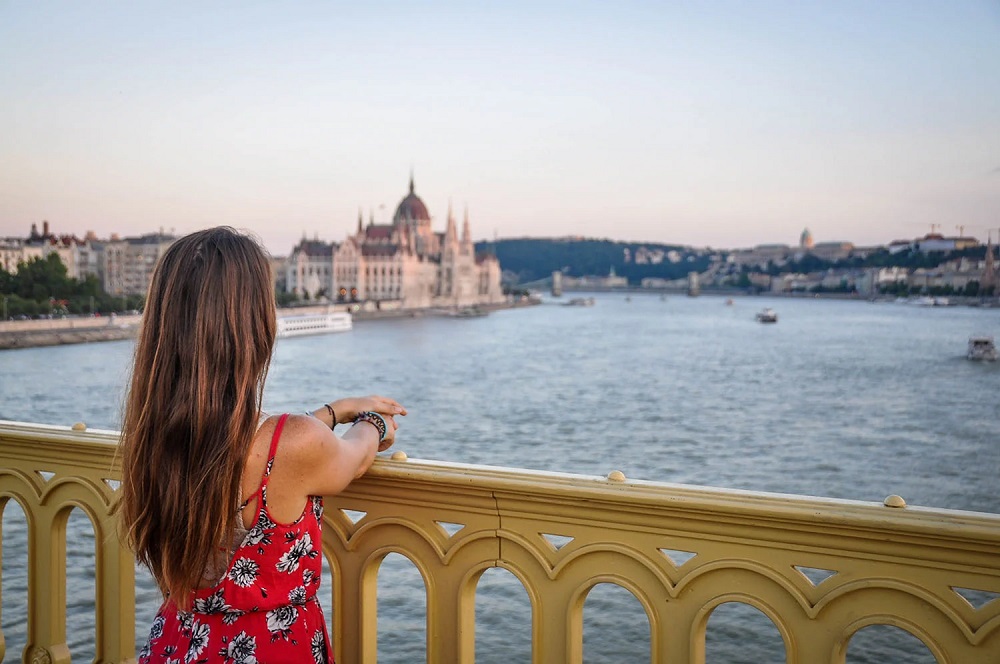
Exploring new destinations, experiencing diverse cultures, and stepping outside your daily routine offers an unparalleled sense of personal growth and adventure. Whether you are backpacking through remote mountainous regions, navigating bustling metropolitan transit systems, or traveling internationally for business, journeys expand your horizons. However, stepping into unfamiliar territory also introduces a unique matrix of environmental, financial, and logistical risks.
Many travelers focus so heavily on booking flights, securing hotel reservations, and curating sightseeing itineraries that they completely neglect basic personal safety protocols. Petty theft, digital scams, medical emergencies, and political instability can disrupt a journey unexpectedly, transforming a dream vacation into a stressful crisis. Prioritizing safety does not mean letting fear dictate your itinerary or stripping the spontaneity from your trip. Instead, implementing standard, proactive travel safety tips empowers you to navigate the world confidently, protecting your well-being, your personal data, and your financial assets throughout the journey.
Conducting Meticulous Pre Departure Intelligence and Planning
The foundation of absolute travel safety is poured long before you arrive at the airport terminal or pack your luggage. Entering an unfamiliar territory without solid regional baseline data is a significant operational risk.
Analyzing Government Advisories and Health Manifests
Before finalizing your itinerary, conduct thorough research using official government travel advisory portals. These resources provide up-to-date information regarding localized civil unrest, high-crime zones, upcoming labor strikes, and regional weather hazards. Concurrently, inspect international health registries to identify mandatory or highly recommended immunizations for your chosen destination. Secure these medical interventions weeks in advance, and carry physical documentation of your vaccination records, as certain custom checkpoints mandate proof of entry.
Establishing the Digital Emergency Safety Net
Never allow yourself to become the only person who knows your exact geographic placement. Before departing, build a comprehensive document detailing your complete flight cadences, hotel addresses, emergency local contact numbers, and daily itinerary goals. Distribute this digital file to at least two trusted family members or friends back home. Furthermore, sign up for automated emergency alert systems, such as the Smart Traveler Enrollment Program managed by the United States government, which allows embassy officials to locate and assist you swiftly during unprecedented geopolitical crises or natural disasters.
Securing Financial Assets and Mitigating Petty Theft
Pickpocketing, luggage diversion, and opportunistic financial theft remain the most common challenges travelers encounter worldwide. Criminals actively target tourists because they are frequently distracted by their surroundings.
The Strategy of Financial Diversification
Carrying all your financial capital in a single location is a critical tactical error. If your primary wallet is stolen or misplaced, you will find yourself completely stranded without resources. To counter this, divide your financial tools systematically. Keep a baseline amount of local currency and a single credit card in a secure, front-pocket wallet or a concealed under-clothing body pouch for daily use. Leave your secondary backup credit cards, extra cash reserves, and primary travel documents locked securely inside your hotel room electronic safe.
Maintaining Vigilance Over Digital Transactions
Modern pickpocketing extends beyond physical theft into the digital realm. Cybercriminals utilize sophisticated scanning hardware to harvest credit card data wirelessly in crowded terminal queues. Protect your accounts by utilizing radio frequency identification blocking wallets and card sleeves. Additionally, notify your banking institutions regarding your travel timelines before departure. This prevents your cards from being automatically frozen due to suspicious foreign transaction alerts, while ensuring the bank automated fraud monitoring systems remain highly alert to actual unauthorized attempts.
Navigating Public Spaces and Transit Systems Safely
Blending into the local landscape and avoiding behavior that marks you as an vulnerable target is the key to personal defense in bustling urban environments.
- Mastering the Art of Situational Awareness: Avoid walking through unfamiliar streets with your eyes locked onto a smartphone screen or your ears covered by noise-canceling headphones. Maintain active situational awareness, continuously scanning the environment around you. If you need to consult a digital map or review a translation application, step inside a secure storefront, hotel lobby, or public cafe to orient yourself safely.
- Utilizing Officially Regulated Transit Options: Transportation hubs like train stations and airport arrivals terminals are hotspots for predatory unlicensed taxi drivers. These rogue operators frequently overcharge tourists, alter routes mid-journey, or demand extortionate fees to return luggage. Avoid getting into any vehicle that lacks official municipal markings. Instead, rely on designated airport taxi queues, pre-booked hotel shuttle services, or verified mobile ridesharing applications that track your route via global positioning systems in real time.
- Securing Personal Belongings on the Move: When dining at outdoor cafes or traveling on crowded subway cars, never hang your backpack casually over the back of a chair or place your smartphone loosely on the table surface. Keep your bags physically attached to your body, zip all compartments securely, and hold purses or camera straps firmly in front of you where they cannot be easily sliced or snatched by passing motorized vehicles.
Prioritizing Digital Privacy and Data Security
Your physical safety is intimately connected to your digital footprint. Travelers routinely expose their private communication channels and corporate databases to significant vulnerabilities while on the move.
The Inherent Hazards of Public Wireless Networks
Free public wireless networks provided by hotels, airports, and popular coffee shops are notoriously insecure. Hackers frequently set up malicious network lookalikes with identical names, waiting for travelers to log in so they can intercept personal passwords, banking details, and identity profiles in real time. Never log into financial institutions or input sensitive personal data while connected to an unencrypted public connection. To safeguard your digital transit, routing your internet traffic through a premium, highly encrypted Virtual Private Network is a non-negotiable requirement.
Exercising Discretion on Social Media Platforms
It is highly natural to want to share your travel experiences with your digital network in real time. However, broadcasting live updates, geo-tagged photos, and hotel check-ins signals to the public that you are currently away from your room, making your physical accommodations vulnerable to burglary. Delay posting your travel photography until you have safely checked out of that specific location and moved on to your next destination, ensuring your precise physical coordinates remain completely private.
Frequently Asked Questions
What should a traveler do immediately if their passport is lost or stolen abroad?
If your primary travel passport vanishes while internationally, your very first step is to file a formal police report at the nearest regional law enforcement station, securing a physical copy of the report document. Next, locate the nearest embassy or consulate representing your home nation. You must visit the consular office in person, providing the police report, backup digital copies of your identification, and standard passport photos to secure an emergency limited-validity passport that allows you to complete your upcoming transit safely.
How can you verify that a hotel room is truly secure before unpacking your luggage?
Upon entering your hotel accommodations, conduct a quick safety sweep before settling in. Verify that the primary door deadbolt and security chain function flawlessly, and test the electronic room safe to ensure it locks using a code you configure personally. Inspect the window latches, especially if your room is located on the ground floor or adjacent to a shared balcony structure. Finally, locate the emergency exit fire stairwell nearest to your door so you can navigate out of the building completely in the dark during a sudden power outage or fire alarm.
Why is purchasing specialized travel medical insurance essential if you already possess a comprehensive domestic policy?
A vast majority of domestic health insurance policies provide zero coverage for medical events that occur outside your home country borders. If you experience a severe injury or sudden illness abroad, you will be personally responsible for paying all hospital invoices, emergency surgical costs, and prescription fees out of pocket before receiving discharge clearance. Premium travel medical insurance protects your capital and ensures you gain access to top-tier private clinical care, while covering the astronomical expenses associated with emergency medical evacuation back to your home country if local facilities are inadequate.
What are the most common strategies utilized by modern distraction scammers in tourist hotspots?
Distraction scammers typically operate in pairs or small groups, orchestrating minor, unexpected disruptions to divert your focus away from your belongings. Common tactics include someone accidentally spilling a liquid or condiment onto your clothing, a stranger asking you to sign a charity petition, or someone dropping a handful of coins right at your feet. While you naturally look down or step forward to address the immediate event, an unseen accomplice quietly removes your wallet or slips your bag off your shoulder, making it critical to hold your assets tightly whenever a sudden public commotion occurs.
How should a traveler handle dynamic emergency situations like sudden political protests or civil unrest?
If you suddenly find yourself caught near a volatile public demonstration or civil strike, your primary goal is rapid, immediate evasion. Never stop to capture photos or video footage, as situations can turn violent within seconds. Retreat immediately into heavy, secure structural buildings like international hotels, shopping centers, or government structures. Once you are safe inside, consult your embassy online emergency dashboard, monitor local news broadcasts for transportation closures, and remain indoors until regional authorities confirm the surrounding streets are secure for transit.
Can using local currency be safer than relying exclusively on digital credit card payments?
Relying on a strategic mix of both forms of payment provides optimal security. Credit cards offer excellent fraud liability protections and eliminate the need to carry large, enticing sums of physical cash. However, relying exclusively on cards is risky, as small rural vendors, regional transit operators, and street food markets often accept cash only. Furthermore, using local cash for minor daily transactions prevents your primary credit card from being exposed to skimming devices at unverified, low-security retail registers.
About the Author