

Real Estate: Navigating the Complex Landscape of Property and Investment
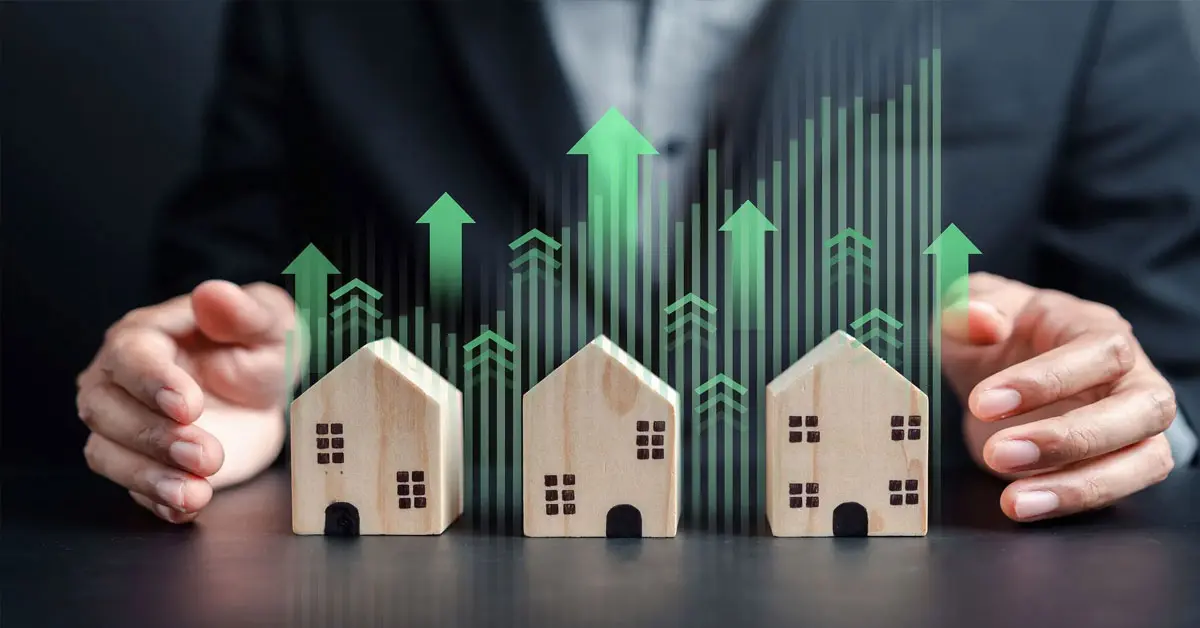
Real estate stands as one of the most significant and multifaceted sectors in the global economy, intertwining elements of finance, architecture, sociology, and urban planning. More than just a transaction involving land or buildings, real estate embodies a complex interplay between economic forces, personal aspirations, and societal trends. It is both a tangible asset and a dynamic marketplace, reflecting the ambitions and anxieties of individuals and communities alike. Understanding real estate requires a nuanced appreciation of its many layers—from investment strategy and market cycles to regulatory environments and human emotions tied to the concept of “home.”
At its most fundamental level, real estate encompasses land and any permanent structures attached to it. Residential, commercial, industrial, and agricultural properties each serve distinct purposes and cater to different segments of the market. Residential real estate, including single-family homes, condominiums, and apartments, typically represents the personal realm where families seek comfort, stability, and identity. Commercial real estate—office buildings, retail spaces, hotels—drives economic activity by providing venues for business operations. Industrial properties support manufacturing and logistics, while agricultural lands are essential for food production and environmental stewardship. This diversity underscores real estate’s critical role as a foundational asset class.
One of the most compelling aspects of real estate is its dual nature as both a consumable good and an investment vehicle. For many, purchasing a home symbolizes a life milestone—a place of refuge and self-expression. Yet, real estate also attracts investors who view property as a means to build wealth, generate passive income, and hedge against inflation. Unlike stocks or bonds, real estate offers tangible security and potential for appreciation through development, location improvements, and market demand. However, it is far from a risk-free endeavor. Market volatility, economic downturns, and changing regulations can swiftly alter property values and investment viability.
The cyclical nature of real estate markets demands a sophisticated understanding of economic indicators and local conditions. Interest rates, employment trends, population growth, and government policies all exert influence over supply and demand. For instance, rising mortgage rates often temper buyer enthusiasm, while tax incentives can stimulate development. Geographic factors such as proximity to amenities, quality of schools, and infrastructure improvements contribute significantly to a property’s desirability and value. Savvy investors and homeowners alike must navigate this intricate web of variables, balancing timing, location, and financial considerations to make informed decisions.
Urbanization and demographic shifts further complicate the real estate landscape. As cities expand and populations grow, demand for housing intensifies, often outpacing supply and driving prices upward. This phenomenon raises critical questions about affordability and equitable access to housing. In many metropolitan areas, skyrocketing real estate costs exacerbate social disparities, forcing policymakers, developers, and communities to innovate solutions like mixed-income housing, transit-oriented developments, and sustainable urban planning. The challenge lies in fostering vibrant, inclusive neighborhoods that meet the diverse needs of residents without sacrificing economic vitality.
Sustainability is becoming an increasingly vital theme within real estate, reflecting broader environmental concerns and evolving consumer preferences. Green building practices, energy-efficient designs, and smart technologies are no longer niche interests but central considerations in property development and renovation. These advancements not only reduce ecological footprints but also enhance long-term value by lowering operating costs and appealing to environmentally conscious buyers and tenants. Real estate professionals who embrace sustainability can differentiate themselves in a competitive market while contributing to global efforts to combat climate change.
Technology continues to reshape the real estate industry at a remarkable pace. Digital platforms have revolutionized how properties are marketed, searched, and transacted, increasing transparency and accessibility. Virtual tours, augmented reality, and artificial intelligence enable buyers and renters to explore homes remotely, analyze market trends, and personalize their property searches with unprecedented precision. Blockchain and smart contracts promise to streamline transactions, reduce fraud, and enhance security. While these innovations offer convenience and efficiency, they also require adaptation and vigilance to ensure data privacy and equitable access.
Navigating the legal and regulatory frameworks surrounding real estate is another critical dimension. Property laws, zoning ordinances, building codes, and tax policies vary widely across jurisdictions and can profoundly affect the feasibility and profitability of real estate ventures. Due diligence, legal counsel, and professional expertise are indispensable in managing risks and ensuring compliance. Furthermore, emerging trends such as short-term rentals and co-living arrangements present novel regulatory challenges, demanding flexible yet robust governance approaches.
Beyond the financial and technical aspects, real estate holds deep emotional significance. The notion of “home” resonates universally as a source of identity, security, and belonging. Buying or renting property often involves navigating not just budgets and contracts but hopes, fears, and dreams. This emotional dimension underscores the importance of empathy and integrity in real estate practice, reminding stakeholders that at the heart of every transaction lies a human story.
In conclusion, real estate is a richly layered domain that intersects economics, culture, and human experience. It offers remarkable opportunities for investment and personal fulfillment, yet demands careful consideration of myriad factors including market dynamics, sustainability, technology, and regulation. As urban landscapes evolve and societal values shift, real estate will continue to adapt, reflecting the changing contours of how people live, work, and connect. Those who engage with this sector thoughtfully and ethically can not only achieve financial success but also contribute meaningfully to the development of communities and the creation of places that endure.
About the Author