

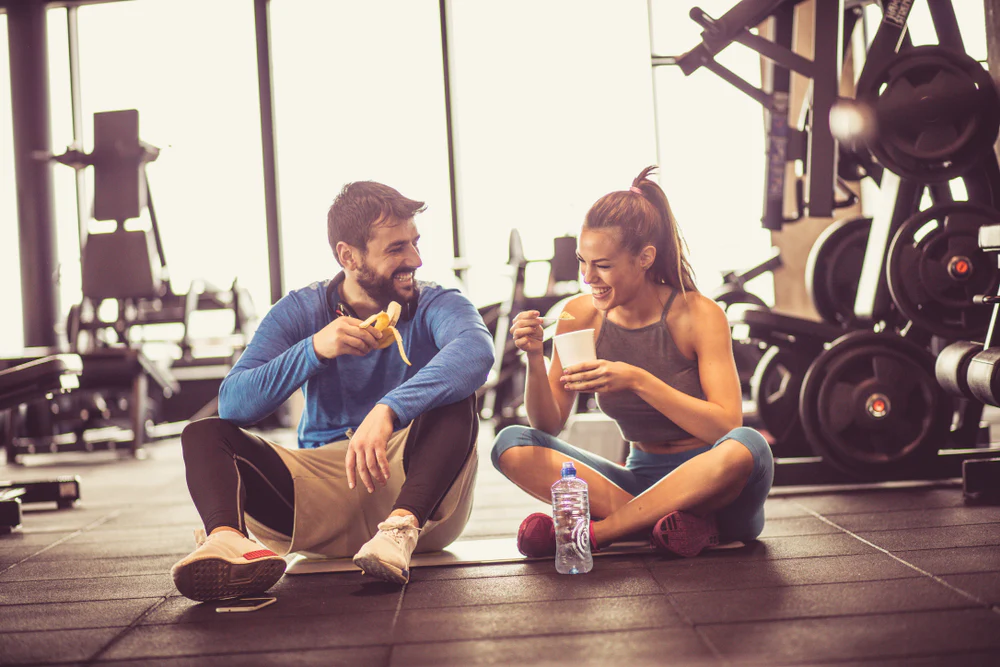
Fuel plays a critical role in performance and recovery. High intensity interval training is demanding, requiring rapid energy bursts, efficient oxygen use, and strong muscle endurance. A hiit training workout is only as effective as the body’s ability to sustain intensity and recover quickly afterwards. By paying attention to nutrition timing before, during, and after your sessions, you can enhance results, improve energy, and reduce fatigue.
Why Nutrition Timing Matters for HIIT
HIIT relies on both anaerobic and aerobic energy systems. Glycogen, the stored form of carbohydrates in muscles, is the primary fuel for intense intervals. Without proper fuelling, energy may dip, performance declines, and recovery slows. Nutrition timing ensures that:
-
Energy is available when needed most
-
Muscle breakdown is minimised
-
Recovery processes are optimised
-
Hormonal balance supports fat metabolism
Unlike steady cardio, HIIT places higher demands on quick-access energy. This makes meal and snack planning especially important.
Pre-Workout Nutrition
The food you eat before HIIT directly influences how you perform. The goal is to provide quick yet steady energy without causing discomfort.
Timing
-
60 to 90 minutes before: A balanced snack with carbohydrates and protein.
-
30 minutes before: A small, easily digestible option if you missed the earlier snack.
Food Examples
-
Wholegrain toast with peanut butter and banana
-
Yoghurt with oats and berries
-
Brown rice crackers with hummus
-
A protein smoothie with fruit
Tips
-
Avoid heavy, greasy meals that may cause stomach upset.
-
Hydrate with at least one glass of water.
-
Caffeine, such as coffee or green tea, can boost focus if tolerated.
The aim is to enter your HIIT session energised but not weighed down.
Nutrition During HIIT
Unlike endurance events, most HIIT sessions last 20 to 40 minutes, meaning intra-workout fuelling is rarely necessary. However, hydration remains crucial, especially in Singapore’s humid climate.
-
Water: Sip throughout the session to prevent dehydration.
-
Electrolytes: Useful if training in hot conditions or if sweating heavily.
-
Carbohydrate drinks: Only needed if sessions extend beyond 60 minutes, which is uncommon for HIIT.
The main focus during training is hydration, not food.
Post-Workout Nutrition
Recovery begins the moment your intervals end. The post-workout meal or snack should repair muscles, replenish glycogen, and restore hydration.
Timing
-
Aim to eat within 30 to 60 minutes after training.
Nutrient Focus
-
Protein: Repairs micro-tears in muscle fibres.
-
Carbohydrates: Replenish glycogen depleted during sprints and explosive moves.
-
Fluids and electrolytes: Replace sweat losses.
Food Examples
-
Grilled chicken with brown rice and vegetables
-
Salmon with sweet potato and greens
-
Tofu stir-fry with quinoa
-
A protein shake with banana
This combination accelerates recovery and prepares you for your next session.
The Role of Supplements
Supplements can support but should not replace whole foods. Common options for HIIT enthusiasts include:
-
Whey or plant protein powders: Convenient for post-workout repair.
-
Creatine: Enhances short-burst performance and muscle recovery.
-
Electrolyte powders: Help replace sodium and potassium lost in sweat.
-
BCAAs (branched-chain amino acids): May reduce muscle soreness, though whole proteins provide broader benefits.
These are best used as additions to a balanced diet.
Hydration Strategies
Hydration deserves special mention in HIIT nutrition timing. Intense intervals elevate body temperature and cause substantial sweat loss. In a hot and humid climate, dehydration can impair performance within minutes.
Tips for hydration:
-
Drink 500 ml of water 1 to 2 hours before training.
-
Sip water regularly during workouts.
-
Replenish with 1.5 times the fluid lost in sweat afterwards (weighing yourself before and after sessions is one method).
For sessions lasting over 30 minutes, add electrolytes to maintain sodium balance.
Balancing Nutrition for Goals
Nutrition timing can be tailored to different goals:
-
Fat loss: Keep pre-workout meals lighter and prioritise protein post-workout to preserve muscle.
-
Muscle gain: Ensure a surplus of calories and combine protein with carbohydrates both before and after training.
-
Performance: Focus on higher carbohydrate availability before sessions for maximum intensity.
This customisation ensures that fuelling strategies match personal objectives.
Common Mistakes in HIIT Nutrition
-
Skipping meals before training: Leads to low energy and reduced performance.
-
Overeating pre-workout: Causes discomfort during intense intervals.
-
Neglecting protein after training: Slows recovery and reduces muscle preservation.
-
Ignoring hydration: Increases fatigue, dizziness, and recovery time.
Avoiding these mistakes makes every session more effective.
Professional Guidance in Nutrition and Training
While general guidelines work for most, personalised advice ensures maximum results. Working with professional trainers and nutrition coaches provides clarity on fuelling strategies that suit individual needs. At True Fitness Singapore, structured programmes often include lifestyle and recovery support, creating a holistic approach to HIIT success.
Frequently Asked Questions
Q. Can I do HIIT on an empty stomach?
A. Fasted HIIT is possible but may reduce performance and increase muscle breakdown risk. Beginners especially should eat a light snack before training.
Q. Should I take protein shakes immediately after HIIT?
A. Yes, protein shakes are a convenient way to start recovery quickly. Aim for 20–30 grams of protein combined with some carbohydrates.
Q. What is the best pre-workout snack if I have only 20 minutes before training?
A. Opt for something light and fast-digesting, such as a banana, dates, or a slice of toast with honey.
Q. Do I need sports drinks for HIIT?
A. Not usually. Water is sufficient for most sessions under 45 minutes. Sports drinks may help if the session is extended or performed in extreme heat.
Q. How can vegetarians fuel effectively for HIIT?
A. Plant-based options like lentils, tofu, quinoa, and nuts provide excellent protein and carbs. Combining multiple plant proteins ensures a complete amino acid profile.
About the Author