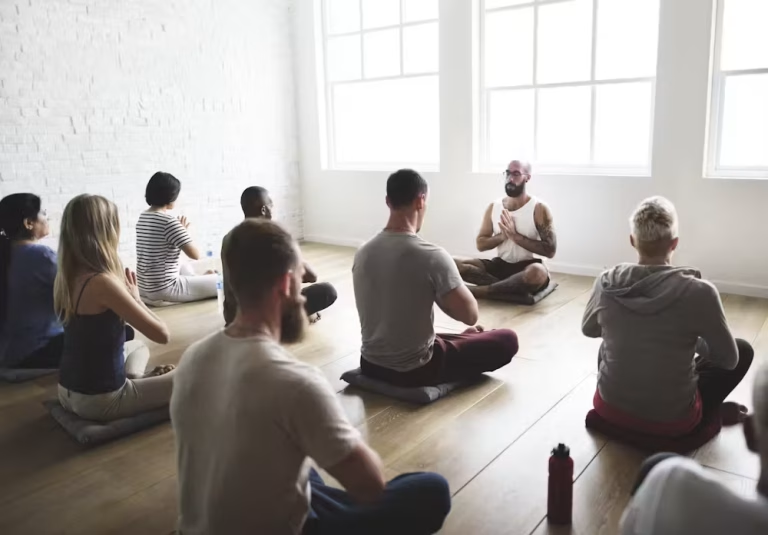

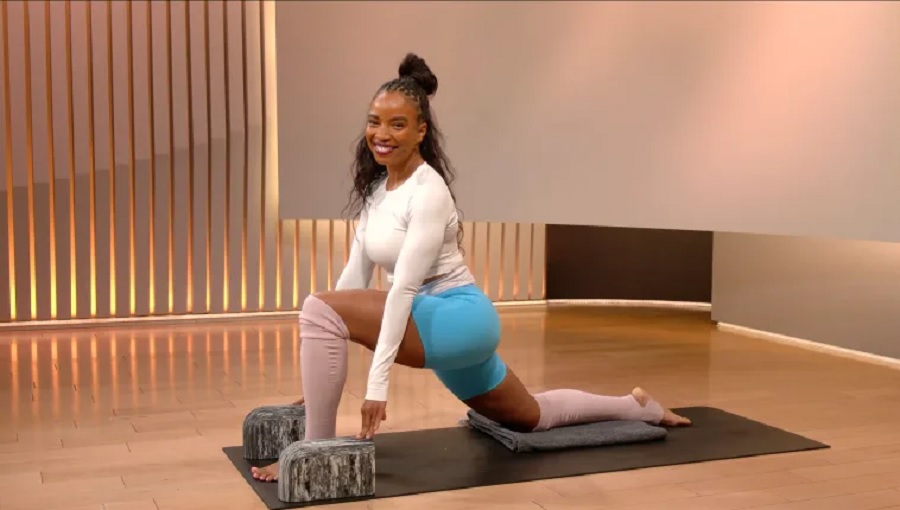
Yin yoga is more than a physical discipline—it is a contemplative art form deeply rooted in the ancient philosophy of Daoism. At its core, yin yoga embodies the yin principle of softness, receptivity, and stillness, which stands in contrast to the yang qualities of strength, heat, and dynamism. This practice is not just a method for increasing flexibility or calming the nervous system—it’s a way of aligning with the natural rhythms of life.
In a world driven by achievement and speed, reconnecting with the Daoist essence of yin yoga invites us to slow down, harmonise with nature, and awaken a more intuitive, internalised experience of the body and mind.
Understanding Yin and Yang Through the Lens of Daoism
In Daoist cosmology, the universe operates through the interplay of two fundamental energies: yin and yang. These opposites exist in a constant state of dynamic balance. Yin is associated with darkness, coolness, passivity, and introspection; yang with light, warmth, activity, and external engagement.
Yin yoga embraces the yin side of the polarity. By practising stillness and surrender in long-held postures, we cultivate qualities often undernourished in modern living—patience, awareness, and receptivity.
The Three Tattvas of Yin Yoga: Foundations from Daoist Teachings
Paul Grilley and Sarah Powers, pioneers in the popularisation of yin yoga, were heavily influenced by Daoist thought. They formulated three guiding principles or tattvas that echo Daoist wisdom:
- Come into the Pose at an Appropriate Depth
This principle aligns with the Daoist virtue of wu wei—effortless action. It encourages you to listen to your body’s limits without striving or forcing.
- Resolve to Remain Still
Stillness reflects the yin quality of non-doing. It opens space for observation, surrender, and deep listening.
- Hold the Pose for Time
Daoism teaches that transformation occurs not through intensity but through time. Yin yoga mirrors this by allowing the body and mind to adapt and open slowly.
Meridian Theory and Energy Flow
Yin yoga is often taught through the lens of Traditional Chinese Medicine (TCM), which is inherently linked to Daoism. According to TCM, the body contains energy channels called meridians, through which qi (life force) flows. When this energy is blocked, it leads to imbalance or disease.
Each yin pose targets one or more meridians, supporting energetic circulation and organ health:
- Butterfly Pose: Opens the kidney and bladder meridians, supporting vitality and courage.
- Dragon Pose: Targets the liver meridian, releasing stored anger and frustration.
- Twists: Activate the gallbladder meridian, enhancing decision-making and emotional flexibility.
Harmonising with the Seasons
A unique aspect of Daoist practice is living in alignment with seasonal rhythms. Yin yoga allows you to adapt your sequence based on the five elements and associated organs:
- Spring (Wood Element): Focus on liver and gallbladder. Poses like shoelace and dragon.
- Summer (Fire Element): Stimulate heart and small intestine with backbends and chest openers.
- Late Summer (Earth Element): Grounding postures to support the spleen and stomach.
- Autumn (Metal Element): Forward folds to support lungs and large intestine.
- Winter (Water Element): Hip openers and restorative poses for kidney energy.
This seasonal attunement fosters a sense of inner harmony and environmental connectedness.
Breath as an Energetic Bridge
Daoist practices such as qigong emphasise breath as a bridge between body and spirit. Similarly, yin yoga uses breath to enhance awareness and facilitate qi flow. Slow, diaphragmatic breathing supports relaxation and expands inner space.
Advanced practitioners may incorporate qi breathing, visualising energy movement along specific meridians while in postures. This makes yin yoga not just a stretch, but a subtle energy work.
Yin Yoga as a Meditative Daoist Practice
Daoism encourages stillness, observation of nature, and non-interference. Yin yoga becomes a portal for these contemplative qualities. Without the distraction of movement or performance, you are invited into a state of internal inquiry.
Many practitioners find that yin yoga organically leads to meditative states:
- Non-judgemental awareness of sensation
- Observation of emotional waves without reaction
- Insights emerging from stillness
This meditative potential aligns yin yoga with other Daoist disciplines such as sitting meditation (zuo chan) and tea ceremony.
Practising with Intention and Ritual
Daoist-inspired yin yoga is enhanced through intentionality and sacred ritual. Begin your practice with:
- Lighting a candle or incense to mark the shift inward
- Setting an intention that aligns with yin values: surrender, reflection, healing
- Moving slowly into each posture like a ritual, not a task
Studios such as Yoga Edition often provide a space where this mindful approach is honoured, offering classes that guide students through an immersive, energetically-informed experience.
Common Misconceptions
Is yin yoga “too easy” to be transformative?
Transformation in yin yoga comes from inner work, not external challenge. Stillness can be deeply confronting—and healing.
Does yin yoga conflict with religious beliefs?
No. While rooted in Daoist philosophy, it is a non-dogmatic, spiritual framework that supports any personal belief system.
Is yin yoga only for flexibility?
Flexibility is a side benefit. The primary purpose is energetic balance, emotional regulation, and spiritual insight.
FAQs About Yin Yoga and Daoism
Can I practise yin yoga without knowing Daoist philosophy?
Absolutely. However, understanding the roots enhances the depth and intention behind your practice.
Are there Daoist texts that relate to yin yoga?
Yes. The Dao De Jing by Laozi and Zhuangzi are foundational texts that echo yin principles like stillness, receptivity, and flowing with life.
Is it safe to stimulate meridians without training?
Yin yoga poses are generally safe. However, working with trained teachers ensures alignment and appropriate meridian activation.
Yin yoga is not just a method of stretching—it is a bridge to ancient wisdom that still holds relevance in today’s chaotic world. Through Daoist philosophy, meridian theory, and the sacred art of stillness, yin yoga becomes a vehicle for healing, introspection, and reconnection with the self. In embracing this practice, we learn that softness is not weakness—it is the foundation of true strength.
About the Author