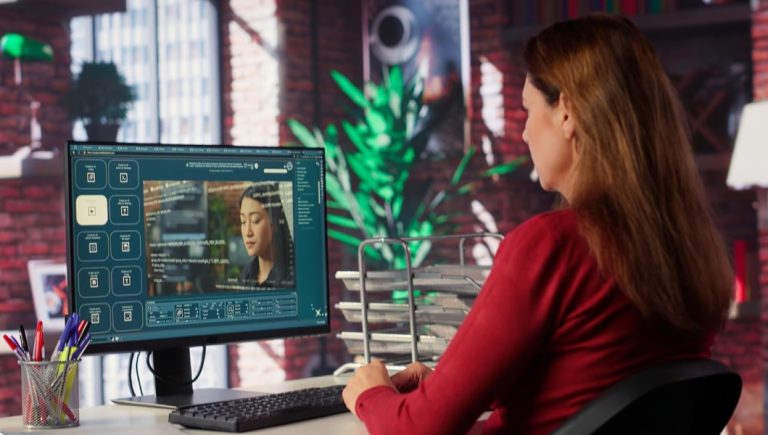


The modern corporate environment has undergone a permanent structural transformation. The traditional workplace architecture, which relied heavily on physical proximity, localized servers, and face to face board meetings, has evolved into a highly distributed ecosystem. Today, corporate teams are routinely scattered across diverse geographical zones, multiple time zones, and varied hybrid working arrangements. While this shift offers businesses unparalleled agility and access to a global talent pool, it introduces a significant operational challenge: maintaining seamless, cohesive team collaboration.
When communication channels break down in a distributed workforce, organizations experience isolated data silos, widespread project redundancies, misaligned corporate goals, and a severe drop in employee morale. To counter these vulnerabilities, forward thinking enterprises are deploying advanced collaboration technology tools. These digital platforms do not simply replace the physical water cooler; they serve as the ultimate operational nervous system of the enterprise, transforming fragmented communication streams into a unified, high velocity engine for strategic growth.
The Evolution of Unified Communication Architectures
To appreciate the value of modern collaboration tools, organizations must move away from the outdated mentality that treating email as a primary communication framework is sufficient. Email is an inherently asynchronous, text dense medium that encourages isolated conversations, making it ill suited for rapid, cross functional project coordination.
Real Time Messaging and Persistent Workspaces
Modern collaboration suites have replaced chaotic email chains with persistent digital workspaces. These platforms allow teams to organize conversations into specific, topic driven channels. Instead of sifting through a bloated inbox to find a critical project update, an employee can open a dedicated channel to view the complete, chronological history of the conversation, along with all associated media assets and decision logs. This real time transparency accelerates onboarding timelines, reduces administrative white noise, and ensures that cross functional stakeholders remain perfectly aligned on changing priorities.
The Optimization of High Definition Video Architecture
When physical meetings are impossible, high definition video conferencing serves as the primary bridge for human connection. However, contemporary video platforms go far beyond basic video streaming. They integrate advanced capabilities such as automated live transcription, real time translation for multinational teams, interactive screen sharing protocols, and digital breakout rooms for localized brainstorming sessions. By capturing the crucial visual cues and emotional nuances that are completely lost in text based exchanges, modern video architecture minimizes corporate misunderstandings and accelerates complex consensus building.
Revolutionizing Project Management and Visual Workflow Engines
Communication is only one half of the collaboration equation; teams must also coordinate their physical actions, track task dependencies, and monitor overall operational velocity. Advanced project management suites transform abstract operational goals into highly visual, trackable workflows.
The Mechanics of Kanban and Gantt Chart Visualizations
Human brains process visual structures significantly faster than written lists. Modern project management software weaponizes this cognitive reality by offering intuitive Kanban boards and interactive Gantt charts. Kanban frameworks allow teams to move task cards through clear status columns, providing immediate visibility into operational bottlenecks. Concurrently, Gantt charts map out complex, long term project dependencies, demonstrating precisely how a delay in a research and development phase will impact a marketing launch calendar. This visual clarity ensures every team member understands their exact responsibilities and timeline obligations.
Automated Task Routing and Process Efficiency
Top tier project management tools feature robust automation engines that execute routine administrative tasks without human intervention. For instance, when an engineering team member updates a software code task to complete, the system can automatically route the asset to a quality assurance manager for review, generate a secure notification for the customer support lead, and update the executive dashboard in real time. This automated handoff systematically eliminates manual status reporting and prevents critical project steps from falling through the cracks.
Centralized Document Modification and Cloud Repositories
Historically, document collaboration was a major source of corporate frustration. Teams frequently passed multiple versions of a text file back and forth via email, resulting in corrupted formatting, lost data overrides, and extreme confusion regarding which file represented the final version.
- Simultaneous Multi User Authoring: Cloud based document productivity suites allow dozens of team members to access, edit, and comment on a single document, spreadsheet, or presentation deck concurrently. Changes manifest instantly across all user screens, eliminating version confusion completely and allowing teams to build complex proposals collectively in a fraction of the historical time.
- Granular Permission Scaffolding and Security: Centralized cloud repositories protect corporate intellectual property by implementing strict user access levels. Administrators can designate precisely who holds editing capabilities, who can leave structural comments, and who possesses read only viewing access, preventing accidental data deletion and maintaining high data security.
- Immutable Version History Archives: If a team member accidentally deletes a critical section of code or corrupts a financial model, there is no need to panic. Cloud collaboration architectures maintain a continuous, time stamped archive of every single alteration. Leadership can easily audit the modification history, view exactly who made each change, and revert the entire document to any past iteration within seconds.
Digital Whiteboards and Virtual Brainstorming Canvases
One of the greatest losses associated with the shift away from physical office spaces was the disappearance of the traditional conference room whiteboard. The whiteboard served as a blank slate where teams could spontaneously sketch diagrams, map user journeys, and engage in unstructured creative problem solving.
Modern visual collaboration software completely recreates and enhances this experiential environment digitally. These platforms provide infinite virtual canvases where distributed team members can place sticky notes, sketch conceptual mind maps, embed multimedia videos, and vote on strategic initiatives in real time using interactive digital indicators. By transforming brainstorming sessions from a static discussion into an interactive, visual workshop, these tools unlock corporate creativity, allowing cross functional teams to design complex system architectures and corporate strategies collaboratively, regardless of their physical locations.
Overcoming Integration Friction and Tool Fatigue
Despite the immense operational advantages offered by modern collaboration software, organizations frequently struggle with an issue known as tool fatigue. This occurs when an enterprise adopts too many specialized applications without a cohesive integration strategy. Employees find themselves constantly switching between separate chat tools, project management portals, and document drives, which fragments their focus and introduces digital friction.
To maximize collaboration efficiency, organizations must prioritize software tool consolidation and native ecosystem connectivity. Before introducing a new application to the corporate workflow, leadership must verify that the tool features robust application programming interfaces that allow it to integrate natively with existing corporate databases. The ultimate operational goal should be the creation of a seamless, friction free digital ecosystem where data moves fluidly between platforms, allowing employees to access all necessary resources from a single, unified interface.
Frequently Asked Questions
What is the distinction between synchronous and asynchronous collaboration tools?
Synchronous collaboration tools require team members to interact simultaneously in real time, which is ideal for urgent crisis resolution, video conferences, and spontaneous brainstorming sessions. Asynchronous collaboration tools, however, allow team members to contribute at their own pace and convenience, making them exceptionally valuable for deeply technical engineering tasks, reflective document reviews, and managing teams spread across drastically different international time zones without inducing burnout.
How can a business prevent data security breaches when utilizing cloud based collaboration tools?
Securing a cloud collaboration network requires enforcing a zero trust access framework across the entire enterprise architecture. Organizations must mandate the implementation of robust multi factor authentication for all employee accounts, utilize single sign on portals to streamline access logging, deploy advanced data loss prevention software to monitor sensitive corporate metrics, and routinely audit third party application permissions to ensure external vendors cannot access proprietary databases.
Why do some teams experience a drop in focus after adopting real time chat applications?
Real time chat portals can become significant operational distractions if they are not managed with strict behavioral protocols. The continuous influx of text notifications, low priority queries, and social chatter creates cognitive fragmentation, preventing employees from entering deep focus zones required for complex task execution. To counter this, companies must establish clear channel communication rules and encourage workers to systematically utilize do not disturb settings during dedicated project blocks.
How do modern collaboration tools assist HR departments during the employee onboarding phase?
Digital collaboration suites streamline onboarding by centralizing all training documentation, standard operating procedures, and corporate culture manuals into organized, easily searchable internal knowledge banks. New hires can review structured video archives, track their onboarding tasks on dedicated project boards, and quickly locate key organizational stakeholders via digital directories, allowing them to achieve operational autonomy significantly faster than through traditional manual onboarding methods.
What parameters should a company evaluate when selecting a project management framework?
When evaluating project management software, an enterprise must weigh the tool overall flexibility, interface user friendliness, dashboard customization options, automated workflow capabilities, and integration compatibility with existing communication platforms. The software must match the specific operational methodology of the team; for instance, a software development squad will require robust agile and sprint tracking features, whereas an architecture firm will prioritize visual timeline structures and asset proofing tools.
Can small businesses effectively utilize enterprise collaboration technology on a limited budget?
Yes, the vast majority of top tier collaboration software providers offer highly flexible pricing tiers, including robust freemium options and low cost per user packages tailored specifically for startups and growing small businesses. By starting with these cost effective configurations and focusing heavily on maximizing the features of a few core integrated platforms, small business owners can build a highly advanced digital infrastructure without incurring substantial upfront capital expenses.
About the Author