
The global fashion landscape is undergoing a profound cultural and structural transformation. For generations, the retail clothing industry operated within a strict, binary framework. Department stores were neatly bifurcated into men’s and women’s sections, each dictated by rigid societal expectations regarding silhouettes, color palettes, textile selections, and sizing conventions. Men were assigned structured, utilitarian garments in muted tones, while women were designated form-fitting, decorative apparel in varied hues.
However, contemporary culture is actively dismantling these traditional boundaries. The modern consumer landscape is witnessing the rapid ascendance of gender-neutral fashion, alternatively known as agender, unisex, or genderless clothing. This movement represents far more than a passing aesthetic trend or a seasonal runway novelty. It is a fundamental shift in how individuals perceive identity, self-expression, and garment utility. By divorcing clothing from traditional gender assignments, this movement is redefining the global retail infrastructure, challenging historical societal norms, and fostering a highly inclusive, authentic space for personal expression.
Historical Context and the Evolution of Unrestrictive Clothing
While the current surge in genderless fashion feels distinctly modern, the concept of breaking down sartorial boundaries has deep historical roots. Clothing styles throughout antiquity—such as the draped tunics of ancient Greece and Rome, the flowing robes of imperial China, and the kilts of traditional Scottish heritage—were inherently ungendered by modern standards. The strict categorization of clothing based on biological sex became deeply institutionalized during the industrial revolution, when mass manufacturing necessitated standardized production templates.
The twentieth century witnessed periodic disruptions to this binary model. The nineteen-twenties saw pioneering designers introduce trousers into mainstream women’s wardrobes, offering women unprecedented physical mobility. The nineteen-seventies brought the unisex movement, characterized by matching leisure suits and denim ensembles worn by all demographics. What distinguishes the contemporary movement from its historical predecessors is its ideological foundation. While past iterations primarily focused on women adopting functional menswear pieces, modern gender-neutral fashion rejects the binary completely, creating an entirely new aesthetic territory that does not favor one gender expression over another.
Core Drivers of the Agender Sartorial Movement
The rapid institutionalization of genderless apparel is propelled by a confluence of generational shifts, changing consumer psychology, and digital connectivity.
Shifting Generational Demographics and Identity Perception
The primary catalyst for the rise of gender-neutral style is the changing worldview of younger consumer cohorts, specifically members of Generation Z and Millennials. Sociological research demonstrates that modern youth view gender as a fluid spectrum rather than a rigid binary. To these demographics, forcing oneself into a strict categorical box feels inherently restrictive and inauthentic. Because clothing serves as the primary visual medium for personal identity projection, these shoppers actively demand apparel that reflects their nuanced understanding of self, favoring brands that allow them to mix, layer, and style garments freely without societal judgment.
The Amplification Power of Digital Networks
Social media ecosystems serve as the ultimate accelerators for global fashion transformations. Platforms built upon visual sharing allow independent designers, cultural influencers, and everyday consumers to showcase diverse styling techniques to millions of viewers instantaneously. The normalization of fluid dress on digital screens has eroded the cultural shock value historically associated with cross-dressing. Seeing prominent public figures effortlessly navigate red carpets in fluid gowns, tailored skirts, and avant-garde gender-crossed suiting has shifted these aesthetics from radical counterculture movements into mainstream aspirational reality.
Operational and Structural Adjustments in the Global Fashion Market
The mainstream adoption of agender fashion forces the global commercial fashion engine to overhaul its traditional design, manufacturing, and marketing operations.
Redefining Sizing Architecture and Silhouette Design
One of the greatest operational hurdles in creating true genderless apparel lies in physical pattern making. Men and women possess distinct biological proportions regarding shoulder widths, hip curvatures, and torso lengths. Early attempts at unisex clothing frequently involved simply producing oversized, shapeless gray hoodies and baggy sweatpants. Modern gender-neutral designers reject this lazy approach, innovating sophisticated sizing architectures. This involves utilizing adjustable drawstrings, modular waistbands, dropped shoulders, and unstructured seam lines that allow a single beautifully tailored garment to drape elegantly on multiple diverse body forms.
Overhauling the Retail and E-Commerce Environment
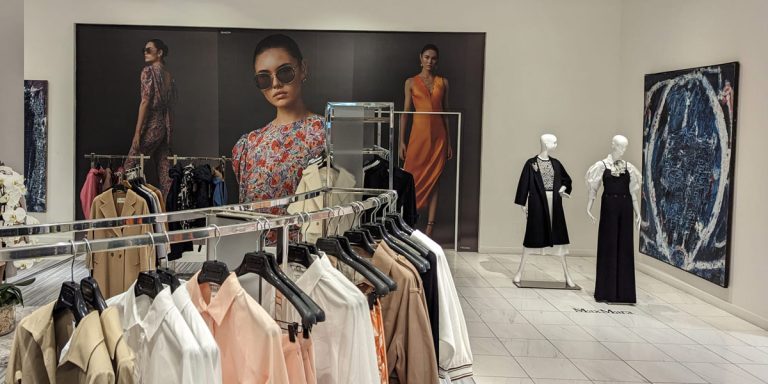
The physical layout of traditional retail establishments is increasingly out of sync with modern shopping habits. Forward-thinking boutique spaces and department stores are actively removing traditional men’s and women’s signage, opting instead to organize clothing by collection theme, fabric texture, or color story. A similar evolution is occurring within digital e-commerce architectures. Advanced retail platforms are introducing genderless navigation tabs, allowing online shoppers to filter garments based strictly on garment measurements, fabric characteristics, and functional utility rather than preset gender classifications.
Environmental Sustainability and Wardrobe Fluidity
Beyond the clear social benefits of inclusivity and authentic expression, the rise of gender-neutral clothing offers a compelling pathway toward environmental sustainability within the apparel industry.
- Drastic Reduction in Corporate Overproduction: Traditional fashion houses manufacture separate, expansive collections for men and women multiple times per year. By transitioning toward consolidated, gender-neutral seasonal collections, brands can significantly streamline their supply chains, reduce fabric waste, and minimize the risk of accumulating massive quantities of unsold excess inventory.
- The Proliferation of Shared Wardrobes: Genderless apparel encourages a highly collaborative approach to consumption. Clothing items can be easily shared between partners, family members, and friends regardless of gender identity, effectively doubling the functional lifecycle of individual garments and reducing the societal urge to constantly purchase new fast-fashion items.
- A Focus on High-Quality Timeless Durability: Because gender-neutral garments rely less on fleeting, gender-specific micro-trends, designers tend to focus on creating classic, highly durable pieces utilizing premium materials. Investing in timeless, structurally sound basics creates a versatile wardrobe that remains highly relevant across multiple years.
Frequently Asked Questions
What is the exact difference between unisex fashion and modern gender-neutral fashion?
Unisex fashion historically refers to garments that were originally designed for men but were modified slightly so that women could wear them, often resulting in utilitarian, masculine aesthetics. Modern gender-neutral fashion, however, is conceived from the ground up without any specific gender anchor. It aims to create a completely neutral creative space, combining elements of traditional masculinity and femininity to offer fluid silhouettes that do not prioritize either background.
How are mass market fast fashion retailers adapting to the demand for genderless clothing?
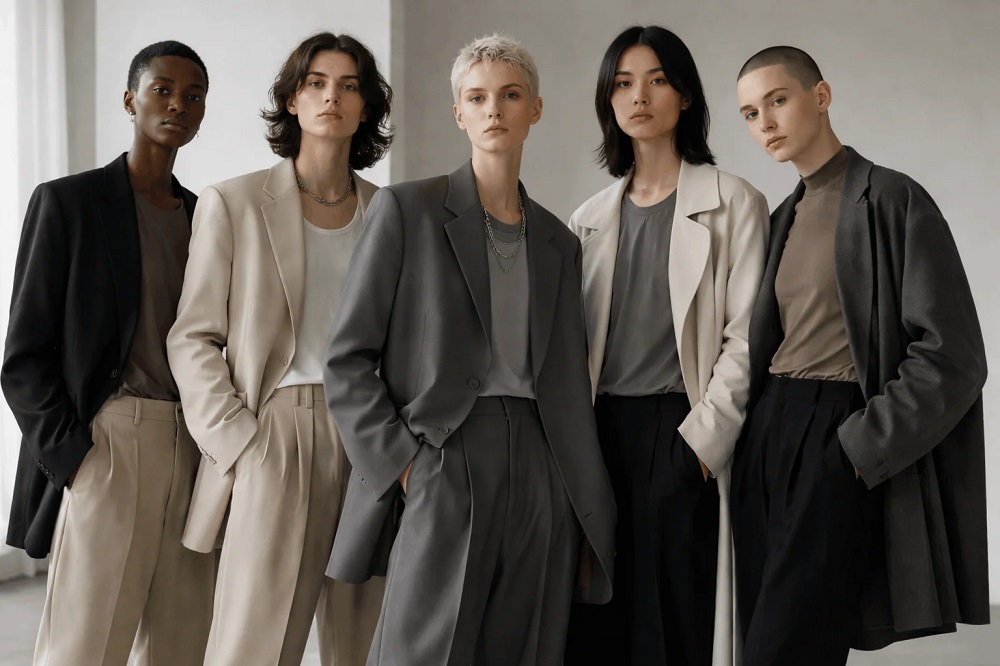
Mass-market retailers are increasingly launching dedicated genderless capsule collections alongside their traditional binary sections. While some of these collections rely on basic loungewear, progressive high-street brands are experimenting with neutral tailored blazers, wide-leg trousers, and fluid outerwear. They are also implementing digital marketing campaigns that feature diverse models of various gender expressions showcasing the exact same garment line.
How can a consumer determine their correct size when purchasing from a genderless brand?
Because traditional binary sizing systems do not apply to genderless clothing, consumers should rely strictly on detailed physical measurement charts provided by the brand. Most agender labels abandon traditional small, medium, and large labels in favor of numerical systems based on explicit chest, waist, hip, and inseam inches. Checking whether a garment is described as a slim, regular, or relaxed fit will also dictate how it drapes over different body proportions.
Does the rise of genderless clothing mean that traditional menswear and womenswear will disappear entirely?
No, the ascendance of gender-neutral style does not threaten the existence of traditional menswear or womenswear. Instead, it expands the available market options. Traditional binary clothing lines will always remain popular for consumers who prefer those specific historical cuts and fits. The genderless movement simply ensures that individuals who feel restricted by traditional groupings have full access to high-quality, beautifully designed alternatives.
What unique challenges do footwear brands face when attempting to design gender-neutral products?
Footwear presentation is incredibly complex because biological male and female feet display inherent structural differences beyond simple length, specifically regarding heel width and arch height. Furthermore, the global footwear sizing system is deeply segregated by gender. To overcome this, progressive footwear companies are expanding their production runs to manufacture their entire style catalog—ranging from heavy combat boots to high heels—across a singular, universal size spectrum that accommodates all foot sizes uniformly.
How can professionals incorporate gender-neutral elements into traditional corporate office environments?
Integrating fluid fashion into a professional workplace can be achieved by focusing on modern tailoring and neutral silhouettes. This involves pairing high-waisted, wide-leg trousers with relaxed, unstructured blazers, or utilizing classic trench coats and oversized button-down shirts made from high-quality silks or heavy cottons. Choosing monochrome color palettes and minimal hardware allows these fluid garments to maintain an impeccable level of corporate professionalism while bypassing strict gender styling rules.
About the Author